Pixel Friendship: A Typeface for Creative Connection
There’s something uniquely powerful about pixel art. It evokes a sense of nostalgia, a nod to the early days of digital creativity, while simultaneously feeling fresh and modern. It’s a style that speaks to both the seasoned gamer and the contemporary designer. Capturing that specific blend of retro charm and current appeal is the goal of the Pixel Friendship Font. This isn't just a collection of blocky characters; it's a design tool built to convey warmth, collaboration, and a playful spirit. If you're looking for a creative font that can inject personality and a sense of handcrafted joy into your work, this pixel-style typeface deserves a closer look.
More Than Just Pixels: The Art of Digital Warmth
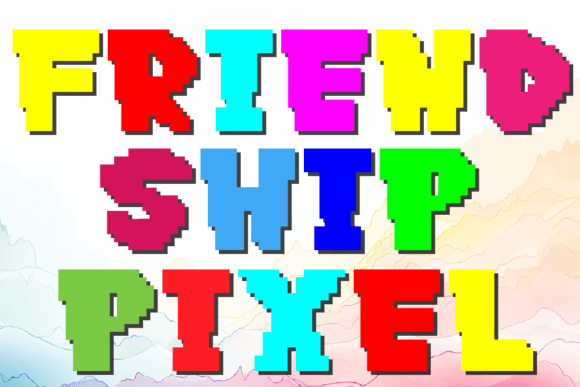
At first glance, Pixel Friendship is a charming display font with a clear, retro-inspired aesthetic. Its construction from simple, clean pixels gives it an approachable and friendly vibe. But what truly sets it apart is the feeling it evokes. The name itself, "Friendship," is a clue to its core personality. This is a typeface designed to feel inclusive, collaborative, and optimistic. Each capital letter and number feels like a tiny, carefully placed building block, suggesting that great things are built together, piece by piece.
This visual language makes it incredibly versatile. Unlike a stark, minimalist sans serif font or an overly formal serif font, Pixel Friendship occupies a sweet spot. It’s informal enough for personal projects but distinctive enough to make a commercial brand stand out. Its design avoids the jagged, sometimes harsh edges of early 8-bit graphics, opting instead for a smoother, more refined pixel grid. This thoughtful design choice enhances readability, ensuring that its playful nature doesn’t come at the expense of clarity.
From Screen to Shelf: Where a Creative Font Shines
The true test of any design asset is its practical application. A font can look beautiful in a specimen sheet, but how does it perform in the wild? The Pixel Friendship Font is built for real-world use, offering a distinct personality that can elevate a wide range of projects. Its strength lies in its ability to grab attention and convey a specific mood instantly, making it a powerful tool for anyone from a small business owner to a content creator.
Consider its potential across different fields:
- Branding and Logo Design: For a brand that wants to appear friendly, tech-savvy, and creative, this font is a perfect match. Think indie game studios, retro-themed cafes, coding bootcamps, or community-focused apps. A logo set in Pixel Friendship is memorable and communicates a clear brand identity centered on approachability and innovation.
- Packaging Design: On a shelf crowded with products, pixel typography can make a package pop. It’s an excellent choice for snack foods, craft beverages, or any product aiming for a fun, youthful, or nostalgic audience. Imagine a bag of artisanal coffee or a box of quirky cookies with the brand name rendered in this charming pixel art style font.
- Social Media and Web Design: In the fast-scrolling world of social media, you have seconds to make an impression. Using Pixel Friendship for headlines, quotes, or call-to-action buttons on graphics can stop a user in their tracks. On a website, it can be used for H1 and H2 headings to establish a unique visual voice, especially for blogs, portfolios, or online stores with a creative focus.
- Merchandise and Print: This font translates beautifully to physical goods. T-shirts, tote bags, stickers, and mugs featuring a witty phrase or a cool graphic in Pixel Friendship can become sought-after items. For print materials like posters, flyers, or event invitations, it offers a unique alternative to standard marketing fonts, instantly setting a creative and engaging tone.
Practical Typography: Making the Font Work for You
Having a great creative font is the first step; using it effectively is the next. Good typography is about more than just picking a cool typeface—it’s about communication. Here’s how to get the most out of the Pixel Friendship Font and ensure it enhances your project’s professional presentation and audience engagement.
First, consider font pairing. A display font like Pixel Friendship is designed for impact, typically used for headlines and short bursts of text. For body copy, readability is paramount. Pairing it with a clean, simple sans serif font like Lato, Open Sans, or Montserrat creates a balanced and professional look. The contrast allows the pixel font to stand out as a design element while the body text remains easy to read. This combination improves visual consistency and makes your overall design feel more polished.
Next, think about your project's goals. Are you designing a poster for a gaming convention? Let Pixel Friendship dominate the layout. Are you creating a brand identity for a tech startup? Use it for the logo and main headings, but rely on a more traditional font for formal documents and website paragraphs. Matching the typography to the context is key to building a strong and recognizable brand identity.
Finally, always test your designs. View them on different screens and in print if possible. Check the spacing between letters (kerning) and lines (leading) to ensure optimal readability. The font package includes both OTF and TTF files, giving you broad compatibility with design software like Adobe Illustrator, Photoshop, Canva, and Procreate. Before using the font for any commercial project, it’s a standard best practice to review the licensing terms to ensure it covers your intended use, whether for digital products, merchandise, or client work.
Building Connections, One Pixel at a Time
In a digital landscape that can often feel impersonal, design choices that convey humanity and connection are more valuable than ever. The Pixel Friendship Font is more than just a set of characters; it’s an invitation to create with a sense of fun and community. It’s a tool that helps you tell a story, evoke a feeling, and build a visual world that resonates with your audience. By choosing a typeface with this much inherent personality, you’re not just designing—you’re starting a conversation and fostering the very spirit of creativity and connection that its name suggests.